
Why Do I Feel Lonely Even When I’m Married? Understanding Emotional Loneliness in Marriage
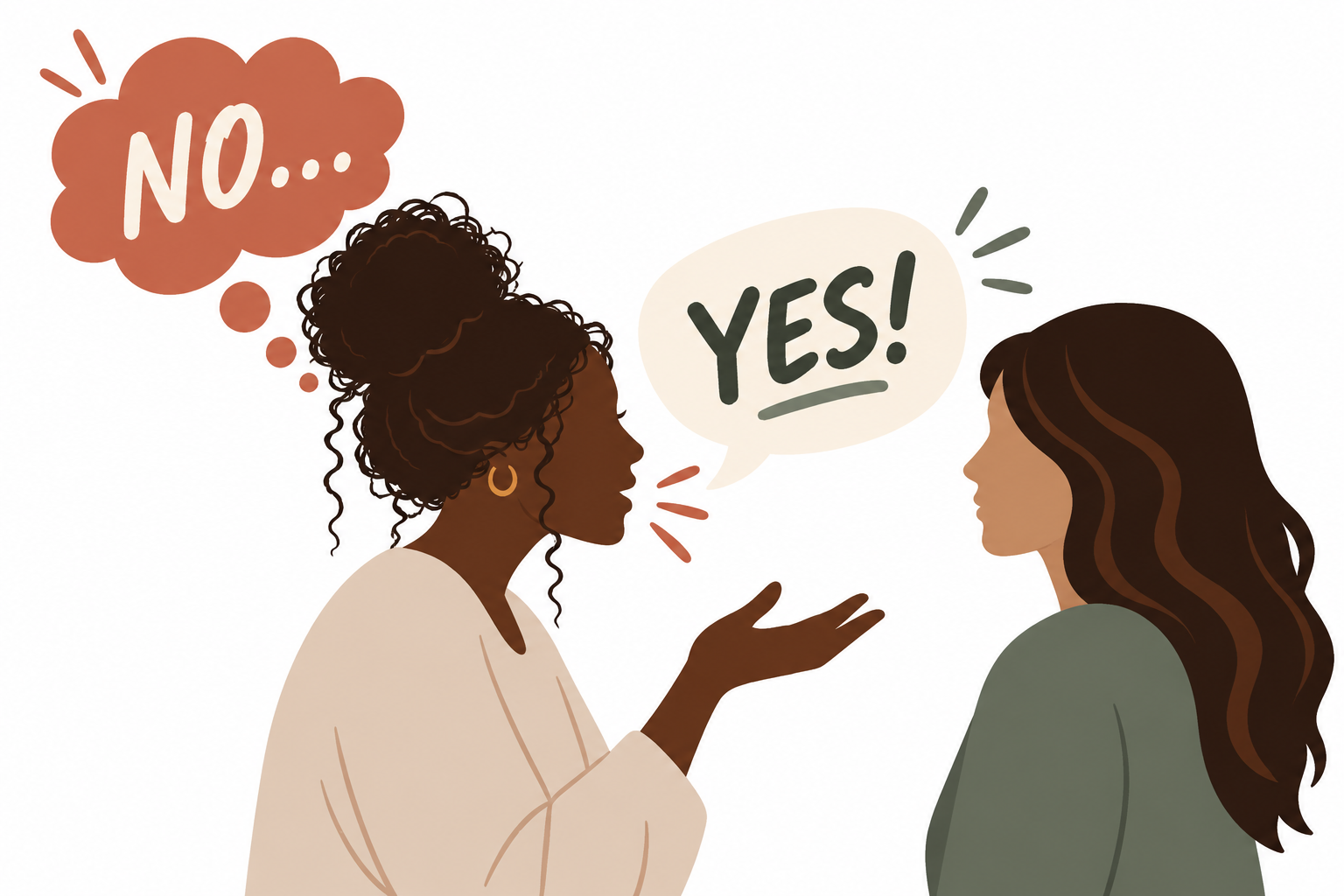
You share a home. You talk about bills, work, children, and daily responsibilities. You may even spend time together regularly. Yet, somewhere along the way, you began feeling emotionally alone.
Perhaps your conversations rarely go beyond logistics. Maybe you have stopped sharing your feelings because you don’t believe your spouse will understand. Or perhaps you miss the emotional connection you once had but aren’t sure how to rebuild it.
Feeling lonely in marriage doesn’t necessarily mean you no longer love your spouse or that your marriage is failing. It may indicate that important emotional needs are not being met or that the relationship has gradually become disconnected.
At Therapy Terrace, we recognize that marriage involves more than sharing responsibilities. Emotional intimacy, trust, communication, and intentional connection are important parts of a healthy relationship.
What Is Emotional Loneliness in Marriage?
Emotional loneliness in marriage occurs when one or both spouses feel disconnected, misunderstood, unsupported, or emotionally distant despite being in a committed relationship.
You can be physically close to someone and still feel emotionally far away.
Research on relationships distinguishes between simply having social contact and experiencing meaningful connection. Feeling understood, cared for, and emotionally supported contributes to relationship satisfaction.
Emotional loneliness may develop when couples stop sharing their internal experiences, avoid vulnerable conversations, or struggle to respond to each other’s emotional needs.
It doesn’t always involve arguing or obvious relationship problems. Sometimes emotional distance develops quietly.
7 Signs You May Be Experiencing Emotional Loneliness in Your Marriage
Emotional loneliness looks different for every couple. However, some common experiences include:
1. Your Conversations Are Mostly About Responsibilities
You discuss schedules, finances, children, and household tasks, but rarely talk about your thoughts, feelings, hopes, or concerns.
2. You Don’t Feel Emotionally Understood
You may share something important only to feel dismissed, criticized, misunderstood, or unheard.
Over time, you may stop trying to explain yourself.
3. You Feel More Like Roommates Than Romantic Partners
Your relationship functions well logistically, but emotional intimacy, affection, and meaningful connection have diminished.
4. You Avoid Sharing Your Feelings
You may keep your concerns to yourself because previous conversations ended in conflict, defensiveness, or disappointment.
5. You Miss the Connection You Once Had
You remember when conversations felt easier, affection was more natural, and spending time together felt emotionally fulfilling.
6. You Feel Alone During Difficult Moments
When experiencing stress, disappointment, or emotional pain, you may not feel comfortable turning to your spouse for support.
7. You Wonder Whether Your Spouse Still Knows You
People change throughout marriage. When couples stop being curious about one another, they may gradually lose touch with who their spouse is becoming.
Recognizing these experiences can be an important first step toward understanding what your relationship needs.
Why Do Married Couples Become Emotionally Disconnected?
Emotional disconnection rarely develops from one single event. More often, it results from patterns that gradually influence how couples communicate and relate to one another.
Unresolved Conflict
When disagreements are repeatedly avoided or never fully resolved, resentment and emotional distance can develop.
Some couples stop arguing because they have resolved their differences. Others stop arguing because they no longer believe discussing their concerns will make a difference.
Those are two very different situations.
Stress and Competing Responsibilities
Careers, parenting, caregiving, financial responsibilities, and everyday demands can leave couples with little emotional energy for one another.
Although these responsibilities are important, a marriage can become primarily task-oriented when couples rarely make space for connection.
Different Emotional Needs
One spouse may desire frequent conversations and verbal reassurance, while the other expresses love through practical support or acts of service.
Neither approach is inherently wrong. However, couples can feel disconnected when they do not understand or respond to each other’s emotional needs.
Unhealthy Communication Patterns
Some relationships develop a pattern in which one partner repeatedly seeks connection while the other withdraws.
This is sometimes described as the pursuer-withdrawer cycle.
For example, one spouse may repeatedly initiate difficult conversations because they want emotional closeness. The other may feel overwhelmed, criticized, or unsure how to respond and begin withdrawing.
The more one pursues, the more the other withdraws, leaving both partners feeling misunderstood.
Emotional Injuries That Have Not Healed
Broken trust, harsh words, betrayal, repeated disappointment, or unresolved experiences can make emotional vulnerability difficult.
When emotional safety has been damaged, rebuilding connection often requires more than simply spending additional time together.
Can a Marriage Recover From Emotional Disconnection?
Yes. Many couples can rebuild emotional connection when both partners are willing to recognize unhealthy patterns, communicate more openly, and participate in meaningful change.
Evidence-based approaches to couples therapy, including Emotionally Focused Couple Therapy (EFT) and behavioral couples therapies, have demonstrated benefits for relationship distress and satisfaction.
These approaches help couples identify recurring patterns, understand emotional needs, and develop healthier ways of relating.
However, improvement is not automatic. The outcome depends on factors such as the nature of the relationship difficulties, willingness to participate, consistency, and whether both partners can engage safely.
For some couples, counseling supports reconciliation and renewed connection. For others, it helps clarify the relationship’s future.
6 Ways to Begin Rebuilding Emotional Connection in Marriage
1. Talk About Your Feelings Without Blaming
Instead of saying:
“You never make time for me.”
Try:
“I’ve been feeling disconnected lately, and I miss spending meaningful time with you.”
The goal is not to prove who is responsible for the distance. It is to begin understanding what each person is experiencing.
2. Practice Listening to Understand
When your spouse shares something difficult, resist the urge to immediately defend yourself, explain your intentions, or offer a solution.
Ask questions such as:
- “Can you help me understand what that feels like for you?”
- “When do you feel most disconnected from me?”
- “What would help you feel more supported?”
Listening does not require agreeing with everything your spouse says. It requires making an effort to understand their experience.
3. Make Time for Conversations Beyond Daily Responsibilities
Set aside intentional time to talk about your relationship, personal experiences, goals, and emotional needs.
Even brief, consistent conversations can create opportunities for meaningful connection.
Consider asking:
“What has been weighing on you lately that we haven’t talked about?”
4. Address Unresolved Hurt
Emotional closeness can be difficult when resentment or unresolved pain remains beneath the surface.
Healthy repair may involve acknowledging harm, accepting responsibility, offering sincere apologies, establishing boundaries, and demonstrating change over time.
Forgiveness and rebuilding trust are not necessarily the same process.
5. Become Curious About Your Spouse Again
Your spouse is not necessarily the same person you married five, ten, or twenty years ago.
Life experiences, responsibilities, disappointments, and personal growth influence how people change.
Ask about their current dreams, concerns, interests, and emotional experiences.
Sometimes rebuilding connection begins with recognizing that you still have more to learn about one another.
6. Consider Marriage Counseling
When emotional distance has become a recurring pattern, couples may benefit from professional support.
Counseling can provide a structured environment to explore communication difficulties, emotional needs, unresolved conflict, and patterns that contribute to disconnection.
You do not have to wait until divorce is being discussed to seek support.
What Does the Bible Say About Emotional Connection in Marriage?
From a Christian perspective, marriage involves more than a legal commitment or shared responsibilities. Scripture emphasizes love, compassion, patience, humility, and mutual care.
James 1:19 (KJV) reminds believers:
“Let every man be swift to hear, slow to speak, slow to wrath.”
This principle can be particularly meaningful in marriage.
When couples practice listening before responding, they create opportunities for understanding rather than defensiveness.
Philippians 2:4 (KJV) teaches:
“Look not every man on his own things, but every man also on the things of others.”
Within marriage, this encourages spouses to consider each other’s experiences, concerns, and emotional needs rather than focusing exclusively on their own.
Ecclesiastes 4:9 (KJV) states:
“Two are better than one; because they have a good reward for their labour.”
Marriage can offer companionship, encouragement, and mutual support. Yet these qualities require intentional nurturing.
Christian couples counseling can help spouses explore how biblical principles such as grace, patience, honesty, accountability, and forgiveness can be applied alongside evidence-based relationship skills.
Faith should not be used to minimize emotional pain, excuse harmful behavior, or pressure someone to remain in an unsafe relationship.
How Can Christian Marriage Counseling Help With Loneliness?
Christian marriage counseling integrates psychological understanding with biblical principles when faith is important to the couple.
At Therapy Terrace, couples counseling may help partners:
- Identify patterns contributing to emotional disconnection.
- Understand each other’s emotional needs and experiences.
- Develop healthier communication and conflict-resolution skills.
- Address unresolved relational injuries.
- Rebuild trust, emotional intimacy, and connection.
- Explore how their Christian values can guide meaningful relationship changes.
For couples seeking more concentrated support, Therapy Terrace also offers 4-hour couples counseling intensives.
These extended sessions provide dedicated time to explore significant relationship concerns and begin developing a plan for moving forward.
Couples counseling is not appropriate for every situation, particularly where abuse, coercive control, or threats make joint sessions unsafe. Individualized assessment and safety planning may be needed first.
Frequently Asked Questions About Loneliness in Marriage
Is it normal to feel lonely in marriage?
Feeling lonely during certain seasons of marriage is not unusual. Stress, life transitions, unresolved conflict, and changes in emotional connection can contribute to loneliness. Persistent loneliness, however, deserves attention rather than dismissal.
Can you love your spouse and still feel lonely?
Yes. Love and emotional connection are related but not identical. Someone may deeply love their spouse while feeling misunderstood, unsupported, or emotionally distant.
Does feeling lonely mean my marriage is over?
No. Loneliness does not automatically mean a marriage is ending. It may indicate unmet emotional needs or relationship patterns that require attention. Many couples can improve their connection through intentional effort and appropriate support.
What if my spouse doesn’t recognize the emotional distance?
Begin by describing your own experience without accusation. Share specific examples of when you feel disconnected and what meaningful connection would look like to you. If your spouse remains unwilling to participate, individual counseling can still help you understand your needs and options.
Can couples counseling help us reconnect emotionally?
Couples counseling can help partners identify unhealthy patterns, improve communication, address unresolved concerns, and strengthen emotional responsiveness. Outcomes vary, and both partners’ engagement often matters.
Can Christian counseling help even if we have been emotionally disconnected for years?
It may. The length of disconnection does not automatically determine whether a relationship can improve. Counseling can help couples assess what has contributed to the distance, identify barriers to change, and determine realistic next steps.
You Don’t Have to Remain Emotionally Disconnected
Feeling lonely in marriage can be painful, especially when the person you want to feel closest to seems emotionally far away.
But emotional distance does not always mean that connection is permanently lost.
Rebuilding a relationship may begin with an honest conversation, a willingness to listen, and the courage to acknowledge what has been missing.
Therapy Terrace provides Christian marriage and couples counseling virtually throughout Florida, helping couples explore relationship difficulties and work toward healthier communication and emotional connection.
Whether you’re experiencing emotional distance, recurring conflict, or uncertainty about your relationship’s future, professional support may help you determine your next step.
Ready to reconnect?
Schedule a free 15-minute confidential consultation with Therapy Terrace to learn more about our couples counseling services.
Explore More Marriage & Relationship Resources
Building a stronger marriage takes intentional effort, meaningful connection, and the right support. At Therapy Terrace, we offer more than couples counseling. Explore our Marriage & Couples Resources page for Christian marriage counseling, couples intensives, premarital support, marriage retreats, and trusted resources to help you strengthen your relationship at every stage.
Explore Our Marriage & Couples Resources
This article is intended for educational purposes and does not replace individualized mental health assessment or treatment.
Therapy Terrace is a virtual Christian counseling practice serving clients throughout Florida, including Miami, Orlando, Tampa, Jacksonville, Fort Lauderdale, St. Petersburg, Tallahassee, West Palm Beach, Naples, Sarasota, and surrounding communities.
Our Services
- Individual Counseling
- Christian couples counseling
- 4-hour marriage intensives
- Premarital counseling
- Anxiety and stress support
- Relationship and communication counseling
- Teen counseling