
Teen Anxiety and Depression: Signs Parents Shouldn’t Ignore
How to Know When Your Teen May Need More Support
Your teenager is spending more time alone.
They seem irritated by everything you say. Their grades are slipping. They stopped spending time with friends. Maybe they are sleeping constantly, or barely sleeping at all.
You ask what’s wrong.
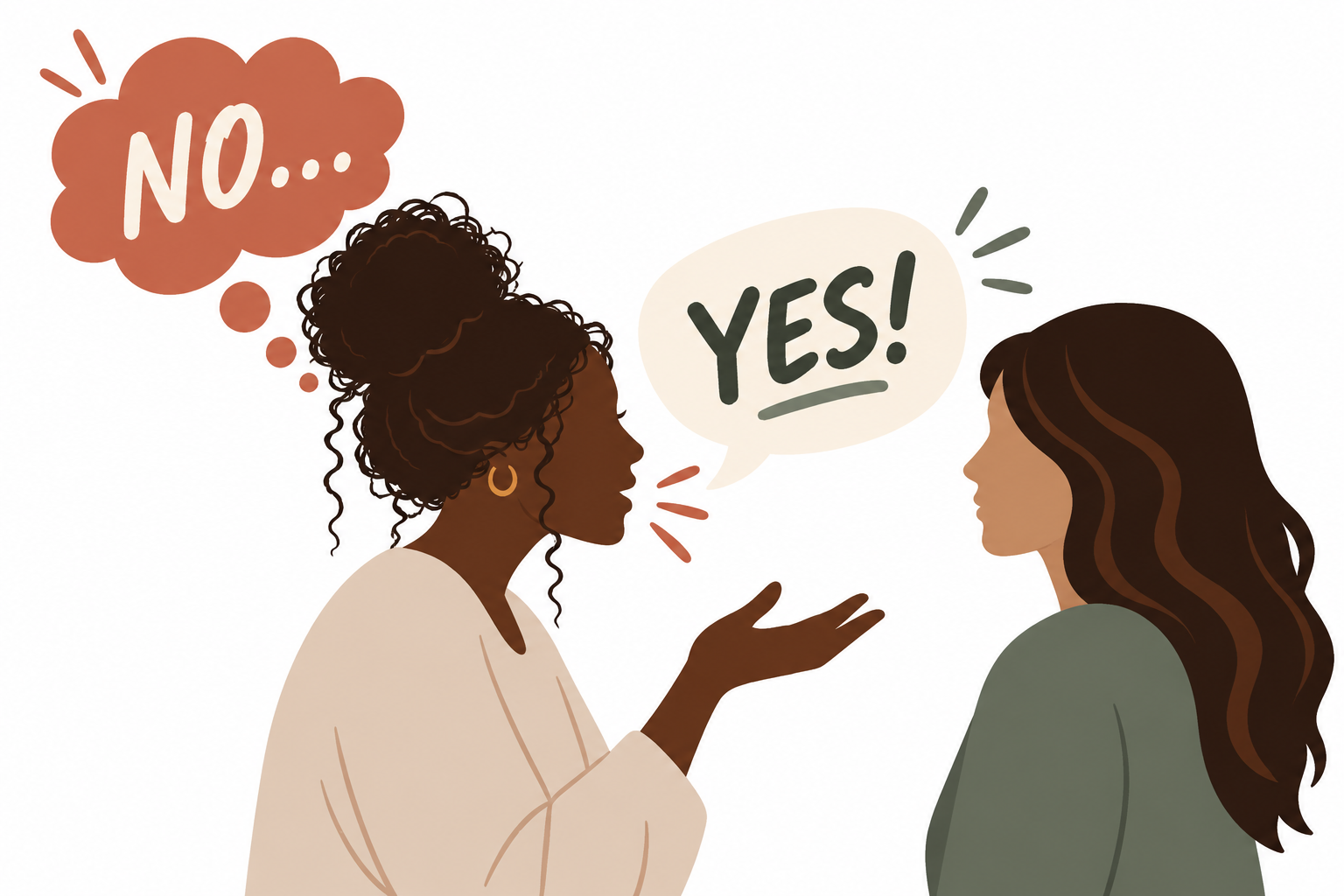
They say, “Nothing.”
Some emotional changes are a normal part of adolescence. Teenagers are developing independence, navigating friendships, managing academic pressure, experiencing hormonal changes, and figuring out who they are.
But sometimes what looks like typical teenage behavior is actually teen anxiety or depression.
Knowing the difference isn’t always easy.
At Therapy Terrace, we provide virtual teen counseling throughout Florida, including Christian counseling for families who want faith integrated into treatment. Understanding the warning signs of anxiety and depression can help parents recognize when their teenager may need additional support.
What Does Anxiety Look Like in Teenagers?
Teen anxiety doesn’t always look like fear.
An anxious teenager may actually appear angry, irritable, perfectionistic, withdrawn, or overly concerned with achievement.
Some teenagers are also very good at hiding anxiety. They continue attending school, earning good grades, playing sports, going to church, or spending time with friends while privately feeling overwhelmed.
Common signs of anxiety in teens include:
- Constant worrying
- Irritability
- Difficulty relaxing
- Racing thoughts
- Trouble sleeping
- Frequent headaches or stomachaches
- Avoiding school or social situations
- Fear of embarrassing themselves
- Excessive concern about what others think
- Perfectionism
- Fear of failure
- Difficulty concentrating
- Frequently asking for reassurance
- Panic symptoms
- Becoming overwhelmed easily
- Procrastinating because tasks feel overwhelming
A teenager does not have to experience every symptom to be struggling with anxiety.
What Does Depression Look Like in Teenagers?
Teen depression can also be difficult to recognize.
Adults often associate depression with obvious sadness or crying. In teenagers, however, depression may show up as irritability, anger, withdrawal, loss of motivation, or emotional numbness.
A teenager experiencing depression may not say, “I’m depressed.”
They may say:
- “I’m tired.”
- “I don’t care.”
- “Leave me alone.”
- “What’s the point?”
- “Nobody understands.”
- “I just don’t feel like doing anything.”
Signs of depression in teenagers may include:
- Persistent sadness
- Irritability or anger
- Losing interest in activities they previously enjoyed
- Withdrawing from friends or family
- Significant changes in sleep
- Changes in appetite
- Difficulty concentrating
- Declining academic performance
- Low motivation
- Feelings of worthlessness
- Excessive guilt
- Hopelessness
- Frequent crying
- Low energy
- Neglecting personal hygiene or responsibilities
- Talking about death or suicide
- Self-harming behaviors
Depression is more than having a bad day or going through a difficult week. Parents should pay attention when changes are persistent, worsening, or beginning to interfere with everyday life.
Teen Anxiety vs. Teen Depression: What’s the Difference?
Anxiety and depression are different conditions, but teenagers can experience both at the same time.
Anxiety often centers around fear and worry.
A teenager may constantly think:
“What if something goes wrong?”
Depression is more likely to involve hopelessness, loss of interest, sadness, irritability, or emotional numbness.
A teenager experiencing depression may think:
“Why does any of this matter?”
But symptoms can overlap.
Both anxiety and depression can cause:
- Sleep problems
- Difficulty concentrating
- Irritability
- Social withdrawal
- Academic problems
- Fatigue
- Changes in motivation
This overlap is one reason a professional mental health assessment can be helpful.
Is This Normal Teenage Behavior or Something More?
This is one of the most common questions parents ask.
Not every slammed door means your teenager needs therapy.
Teenagers naturally seek more privacy and independence. They may become more emotionally reactive, disagree with parents more frequently, or experience changing friendships and interests.
Instead of focusing on one isolated behavior, look for patterns and changes from your teenager’s normal behavior.
Ask yourself:
- How long has this been happening?
- Is it becoming more intense?
- Is this unusual for my child?
- Are multiple areas of their life being affected?
- Have they stopped enjoying things they previously loved?
- Are friendships changing significantly?
- Are grades or attendance declining?
- Has their sleeping or eating changed?
- Are they increasingly isolating themselves?
A significant change in your teenager’s baseline behavior deserves attention.
Why Are So Many Teenagers Anxious?
There is rarely one single cause.
Teenagers today navigate pressures involving:
- Academic performance
- College expectations
- Social media
- Friendships
- Dating
- Body image
- Family conflict
- Bullying
- Sports and extracurricular expectations
- Uncertainty about the future
- Comparison with peers
Some teenagers also have underlying vulnerabilities related to temperament, family history, trauma, difficult life experiences, or other mental health concerns.
The goal isn’t to blame one factor.
It’s to understand your teenager’s particular experience.
High-Functioning Anxiety in Teenagers
Some anxious teenagers don’t look like they’re struggling at all.
They may be:
- Straight-A students
- Athletes
- Student leaders
- Highly responsible
- Heavily involved in church
- Perfectionists
- The teenager everyone describes as “mature”
Underneath that success may be tremendous internal pressure.
A high-achieving teenager may believe:
- “I can’t disappoint anyone.”
- “I have to get everything right.”
- “If I fail, everyone will think differently about me.”
- “Everyone expects me to have it together.”
Parents sometimes miss anxiety in these teenagers because their performance remains strong.
Achievement does not automatically mean emotional wellness.
Perfectionism and Teen Anxiety
Perfectionism can become a major source of anxiety for teenagers.
Healthy ambition encourages a teenager to work toward meaningful goals.
Unhealthy perfectionism tells them that mistakes threaten their worth.
You may notice your teenager:
- Becoming extremely upset over small mistakes
- Procrastinating because they fear doing something incorrectly
- Studying excessively
- Comparing themselves constantly
- Struggling to accept criticism
- Becoming anxious about grades
- Feeling that accomplishments are never enough
Helping teenagers develop a healthier relationship with achievement can reduce anxiety while still allowing them to pursue excellence.
How Social Media Can Affect Teen Anxiety and Depression
Social media isn’t automatically harmful, and simply taking away a teenager’s phone doesn’t solve every mental health concern.
But online environments can intensify existing struggles.
Teenagers may be exposed to constant:
- Social comparison
- Appearance comparison
- Fear of missing out
- Cyberbullying
- Peer conflict
- Pressure for validation
- Negative or disturbing content
Parents should pay attention not only to how much their teenager uses social media but also to how they feel after using it.
If social media consistently leaves your teen anxious, inadequate, angry, excluded, or emotionally distressed, that deserves a conversation.
Why Your Teen May Not Tell You They’re Struggling
A teenager can love and trust their parents and still have difficulty talking about mental health.
Some teens worry:
- Their parents won’t understand.
- They’ll disappoint their family.
- Their parents will overreact.
- They’ll immediately lose privileges.
- They’ll be judged.
- Their feelings aren’t serious enough.
- They should be able to handle things themselves.
Others simply don’t have the vocabulary to explain what they’re experiencing.
Instead of repeatedly asking, “What’s wrong with you?” try creating opportunities for conversation without demanding immediate disclosure.
You might say:
“I’ve noticed you haven’t seemed like yourself lately. You don’t have to explain everything right now, but I want you to know I’m paying attention and I’m here when you’re ready.”
How Parents Can Help an Anxious or Depressed Teenager
You don’t have to become your teenager’s therapist.
You do need to remain their parent.
That includes listening, observing, setting healthy boundaries, and getting additional help when necessary.
Parents can help by:
- Listening before immediately offering solutions
- Taking emotional concerns seriously
- Avoiding dismissive statements such as “you have nothing to be depressed about”
- Maintaining reasonable routines around sleep, school, and responsibilities
- Encouraging physical activity and healthy social connection
- Creating regular opportunities for conversation
- Watching for significant behavioral changes
- Asking directly about safety when concerned
- Seeking professional help when symptoms persist or worsen
Supporting your teenager does not mean eliminating every uncomfortable emotion or solving every problem for them.
Part of adolescence is learning how to experience difficult emotions and develop healthy ways of managing them.
When Should a Teenager See a Therapist?
Consider professional counseling when anxiety, depression, or emotional distress begins interfering with your teenager’s daily functioning or quality of life.
It may be time to seek teen counseling if your teenager:
- Is increasingly withdrawing
- Experiences persistent anxiety or sadness
- Has frequent emotional outbursts
- Is struggling academically
- Has stopped enjoying activities
- Experiences panic attacks
- Has major changes in sleep or appetite
- Has difficulty maintaining friendships
- Seems constantly overwhelmed
- Expresses hopelessness
- Is using unhealthy coping behaviors
- Talks about self-harm, suicide, or not wanting to live
You don’t need to wait for a crisis before seeking therapy.
Early support can help teenagers understand what they’re experiencing and develop healthier coping skills before patterns become more deeply established.
Warning Signs That Require Immediate Attention
Some behaviors should not be treated as ordinary teenage moodiness.
Take statements about suicide, self-harm, or wanting to die seriously.
Warning signs may include:
- Talking about wanting to die
- Expressing hopelessness or feeling like a burden
- Self-harming
- Giving away important possessions
- Saying goodbye unexpectedly
- Researching methods of suicide
- Sudden concerning behavioral changes
If you believe your teenager may be in immediate danger, contact emergency services or the 988 Suicide & Crisis Lifeline by calling or texting 988.
Do not leave a teenager alone when you believe there is an immediate risk of self-harm.
Christian Counseling for Teenagers
Christian teenagers experience anxiety and depression too.
Mental health struggles are not evidence that a teenager lacks faith.
A teenager can genuinely love God and still experience:
- Anxiety
- Depression
- Trauma
- Loneliness
- Fear
- Anger
- Doubt
- Emotional exhaustion
Unfortunately, some teenagers become ashamed of their struggles because they believe Christians are supposed to feel peaceful or joyful all the time.
That can make them even less likely to ask for help.
Christian counseling can provide teenagers with space to discuss emotional struggles while exploring faith when they desire it.
At Therapy Terrace, clinical care and Christian faith do not have to compete with one another.
Faith can be incorporated into counseling in a way that respects the teenager’s needs, questions, and individual treatment process.
What Happens in Teen Counseling?
Teen therapy is not simply an adult telling your teenager what they’re doing wrong.
Counseling gives teenagers a confidential, supportive relationship where they can better understand themselves and develop practical skills.
Depending on their needs, therapy may address:
- Anxiety
- Depression
- Stress management
- Emotional regulation
- Self-esteem
- Perfectionism
- Family relationships
- Friendships
- Boundaries
- Communication
- Coping skills
- Trauma
- Faith and identity
Parents can also play an important role in treatment while still allowing the teenager appropriate therapeutic privacy.
Virtual Teen Counseling in Florida
Therapy Terrace is a virtual-only counseling practice providing online therapy to clients throughout Florida.
Virtual teen counseling can be especially convenient for families managing school, sports, extracurricular activities, work schedules, and transportation.
Our clinicians can work with teenagers located throughout Florida, including:
- Miami
- Fort Lauderdale
- Sunrise
- Plantation
- Boca Raton
- West Palm Beach
- Orlando
- Tampa
- Jacksonville
- Naples
- Fort Myers
- Gainesville
- Tallahassee
- Sarasota
- St. Petersburg
- And communities throughout Florida
Because services are provided virtually, your teenager can attend counseling from a private location at home rather than traveling to an office.
Frequently Asked Questions About Teen Anxiety and Depression
What are the most common signs of anxiety in teenagers?
Common signs of teen anxiety include excessive worry, irritability, sleep difficulties, perfectionism, avoidance, physical complaints, reassurance-seeking, difficulty concentrating, and becoming overwhelmed easily.
What are the warning signs of depression in teenagers?
Teen depression may include persistent sadness or irritability, social withdrawal, loss of interest, sleep or appetite changes, declining motivation, hopelessness, low energy, academic difficulties, or thoughts of death or suicide.
Can a teenager have anxiety and depression at the same time?
Yes. Anxiety and depression can occur together, and their symptoms sometimes overlap. A mental health professional can help determine what may be contributing to a teenager’s symptoms.
Can teenagers hide depression from their parents?
Yes. Some teenagers continue attending school, socializing, participating in activities, and meeting expectations while privately struggling with depression or anxiety.
Is irritability a sign of depression in teenagers?
It can be. Depression in adolescents does not always present as obvious sadness. Persistent irritability or anger accompanied by other emotional or behavioral changes may warrant further evaluation.
How do I know whether my teenager needs counseling?
Consider counseling when emotional or behavioral changes persist, become more severe, or interfere with school, relationships, sleep, activities, family life, or your teenager’s ability to function.
Does Therapy Terrace provide online therapy for teenagers?
Yes. Therapy Terrace provides virtual teen counseling for eligible clients located throughout Florida.
Does Therapy Terrace offer Christian counseling for teenagers?
Yes. Therapy Terrace is a Christian counseling practice, and faith can be integrated into therapy when appropriate and desired.
Your Teen Doesn’t Have to Reach a Crisis Before Getting Help
One of the biggest mistakes parents can make is waiting until their teenager is completely overwhelmed before seeking support.
Your teen doesn’t need to be failing school, having panic attacks, or experiencing a mental health crisis before counseling is appropriate.
Sometimes the earliest sign is simply:
“My child isn’t acting like themselves anymore.”
Pay attention to that instinct.
If your teenager is struggling with anxiety, depression, perfectionism, stress, emotional regulation, relationships, or other concerns, Therapy Terrace provides virtual teen counseling throughout Florida.
Contact Therapy Terrace to schedule a consultation and learn whether one of our therapists may be a good fit for your teenager.
https://therapyterrace.com/book-an-appointment/
Therapy Terrace is a virtual Christian counseling practice serving clients throughout Florida, including Miami, Orlando, Tampa, Jacksonville, Fort Lauderdale, St. Petersburg, Tallahassee, West Palm Beach, Naples, Sarasota, and surrounding communities.
Our Services
- Individual Counseling
- Christian couples counseling
- 4-hour marriage intensives
- Premarital counseling
- Anxiety and stress support
- Relationship and communication counseling
- Teen counseling