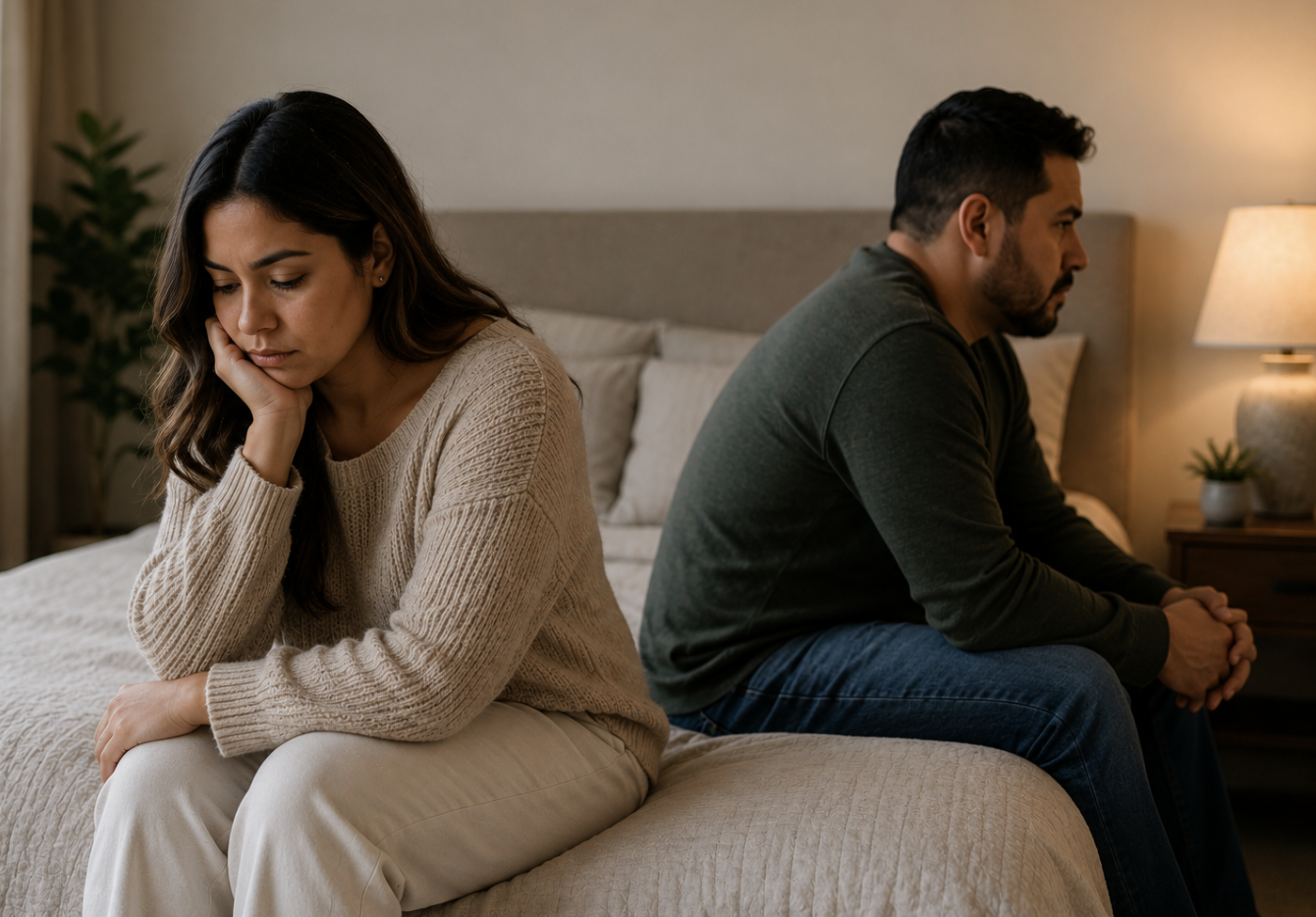
Are We Growing Apart? 7 Signs Emotional Distance Is Affecting Your Relationship
Every relationship changes over time.
The excitement of a new relationship naturally gives way to routines, responsibilities, careers, children, and life’s many demands. While change is normal, many couples begin asking a difficult question:
“Are we growing apart?”
Emotional distance doesn’t usually happen overnight. It often develops gradually through missed conversations, unresolved conflict, chronic stress, or simply becoming busy with everyday life.
The encouraging news is that emotional distance does not automatically mean your relationship is beyond repair. When both partners are willing to understand what’s happening and work toward reconnection, many relationships can grow stronger.
What Is Emotional Distance?
Emotional distance occurs when partners begin feeling less connected, understood, or emotionally safe with one another.
You may still live together, raise children together, and manage daily responsibilities—but feel like something important is missing.
Many couples describe it as feeling more like roommates than partners.
1. Your Conversations Stay on the Surface
Most conversations revolve around:
- Work
- Bills
- Children
- Schedules
- Chores
You rarely talk about dreams, fears, feelings, or what’s happening internally.
2. Conflict Feels Easier Than Vulnerability
Instead of saying:
“I miss feeling close to you.”
You find yourselves arguing about:
- Laundry
- Text messages
- Household responsibilities
- Small frustrations
Sometimes conflict becomes easier than expressing emotional needs.
3. You Stop Turning Toward Each Other
Research from relationship expert Dr. John Gottman describes “turning toward” as responding to your partner’s attempts to connect.
Examples include:
- Sharing something funny
- Asking about your day
- Reaching for a hug
- Making eye contact
Over time, missed opportunities for connection can create emotional distance.
4. Affection Becomes Less Frequent
Emotional distance often affects physical affection.
Simple moments like:
- Holding hands
- Sitting together
- Hugging
- Smiling
- Laughing together
may happen less often.
Affection isn’t only about romance—it’s one way couples communicate safety and connection.
5. You Feel Lonely Even Though You’re Together
One of the most painful experiences in marriage is feeling lonely while sitting next to someone you love.
Many couples say:
“We’re together all the time, but I don’t feel connected.”
Loneliness within a relationship is often a sign that emotional intimacy needs attention.
6. You Assume the Worst About Each Other
Instead of giving your partner the benefit of the doubt, you may begin assuming negative intentions.
For example:
- “They don’t care.”
- “They’re ignoring me.”
- “Nothing will ever change.”
These assumptions can increase misunderstanding and resentment.
7. You Stop Dreaming Together
Healthy relationships aren’t only about solving problems.
They’re also about building a future together.
When couples stop talking about goals, vacations, faith, family, or dreams, emotional connection can slowly weaken.
Can Emotional Distance Be Repaired?
Often, yes.
Research suggests that couples can strengthen emotional connection by improving communication, increasing emotional responsiveness, and intentionally creating opportunities for connection.
Repair usually begins with small, consistent moments.
What Not to Do
Don’t Wait Until You’re in Crisis
Many couples wait years before seeking help.
The earlier unhealthy patterns are addressed, the easier they often are to change.
Don’t Assume Love Has Disappeared
Feeling disconnected does not necessarily mean love is gone.
Sometimes connection has simply become buried beneath stress, disappointment, or unresolved hurt.
Don’t Keep Score
Healthy relationships focus less on winning and more on understanding.
Don’t Stop Being Curious
Instead of assuming you know what your partner is thinking, ask thoughtful questions and listen with the goal of understanding.
Ways to Reconnect
Consider setting aside intentional time each week to:
- Have uninterrupted conversations.
- Pray together.
- Share one thing you’re grateful for.
- Ask meaningful questions.
- Express appreciation.
- Spend time without phones or distractions.
Small moments of connection often create meaningful change over time.
A Biblical Perspective
Marriage is designed to reflect love, commitment, and mutual care.
Ecclesiastes 4:9
“Two are better than one, because they have a good return for their labor.”
Ephesians 4:2
“Be completely humble and gentle; be patient, bearing with one another in love.”
Healthy relationships grow when both people choose humility, grace, and intentional connection.
When Should We Seek Couples Counseling?
Counseling may be helpful if:
- You feel emotionally disconnected.
- Conversations frequently turn into arguments.
- You feel more like roommates than partners.
- Trust has been damaged.
- You’re unsure how to reconnect.
Seeking help early can provide couples with tools to improve communication, rebuild emotional safety, and strengthen their relationship.
There Is Hope
Growing apart does not have to be the end of your story.
With intentional effort, increased understanding, and professional support, many couples discover new ways to reconnect and build a stronger relationship than they thought possible.
At Therapy Terrace Counseling Center, we help couples strengthen communication, deepen emotional connection, and navigate life’s challenges through evidence-based and faith-informed counseling.
Frequently Asked Questions
How do I know if we’re growing apart?
Common signs include emotional distance, fewer meaningful conversations, reduced affection, loneliness within the relationship, and feeling more like roommates than partners.
Can emotional distance be repaired?
Yes. Many couples improve emotional connection by increasing communication, practicing emotional responsiveness, and participating in couples counseling when needed.
Is it normal to feel disconnected in marriage?
Many couples experience seasons of disconnection, especially during stressful life stages. Feeling disconnected does not necessarily mean the relationship is failing, but it is often a sign that the relationship needs intentional attention.
Should we wait until our marriage is in crisis before getting counseling?
No. Research and clinical experience suggest that couples often benefit most when they seek counseling before patterns become deeply entrenched.

Therapy Terrace is a virtual Christian counseling practice serving clients throughout Florida, including Miami, Orlando, Tampa, Jacksonville, Fort Lauderdale, St. Petersburg, Tallahassee, West Palm Beach, Naples, Sarasota, and surrounding communities.
Our Services
- Individual Counseling
- Christian couples counseling
- 4-hour marriage intensives
- Premarital counseling
- Anxiety and stress support
- Relationship and communication counseling
- Teen counseling