Some months feel heavier than others.
There are seasons when grief seems to stack which includes personal loss, emotional strain, and the weight of what is happening in the world. Recently, there has also been increased attention on domestic violence (DV) cases, bringing difficult but necessary conversations to the surface.
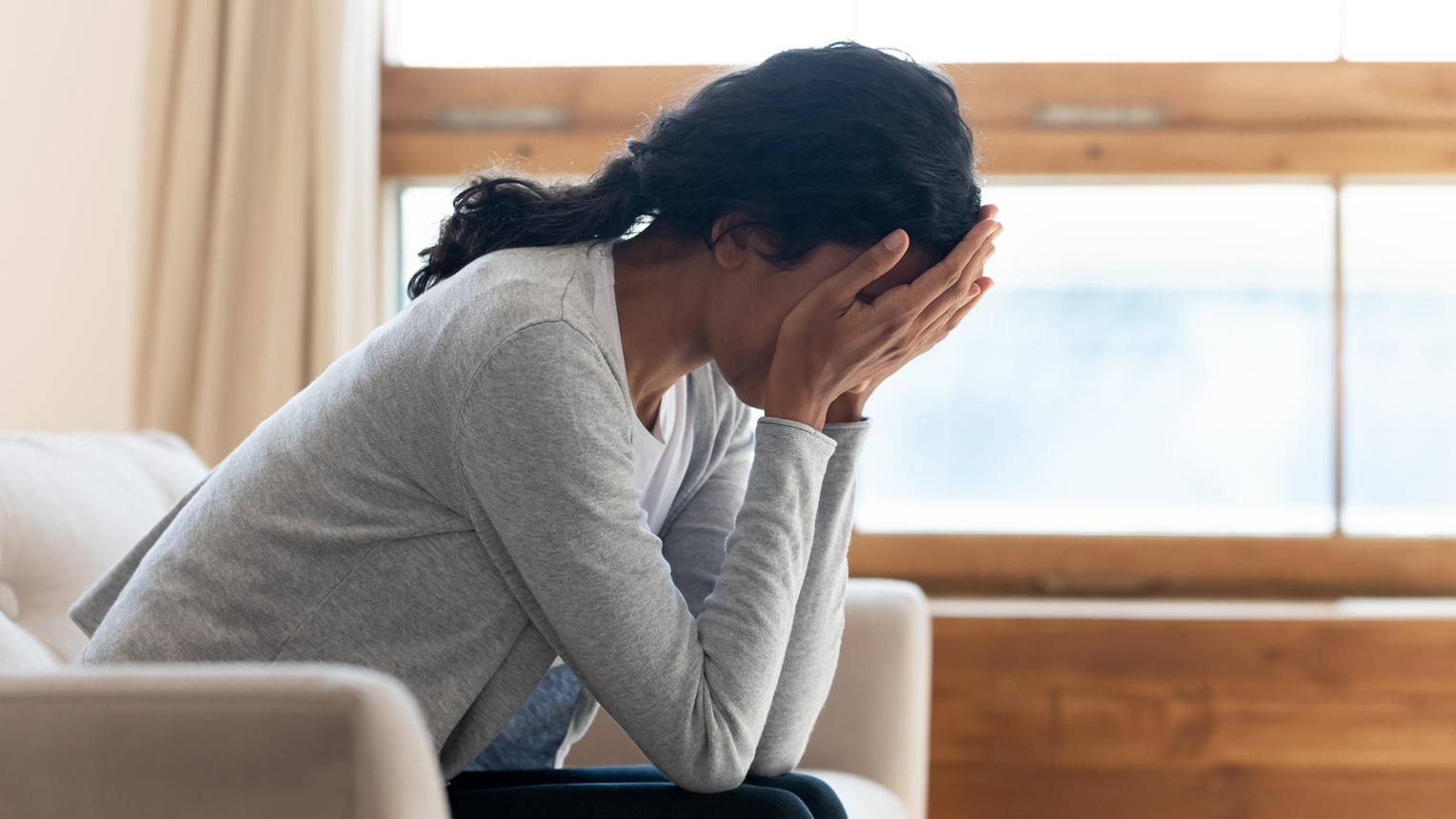
These moments can stir up many emotions:
- Sadness
- Anger
- Confusion
- Fear
- Reflection on one’s own relationships
It is important to say clearly and without hesitation:
→ Violence in relationships is never acceptable.
→ No one deserves to feel unsafe.
At Therapy Terrace, we believe in supporting healthy relationships, and that begins with safety first.
What Is Domestic Violence?
Domestic violence is not limited to physical harm.
It can include patterns of behavior used to gain power and control over another person, such as:
- Physical violence
- Emotional or psychological abuse
- Verbal threats or intimidation
- Financial control
- Isolation from family or support systems
- Manipulation or coercion
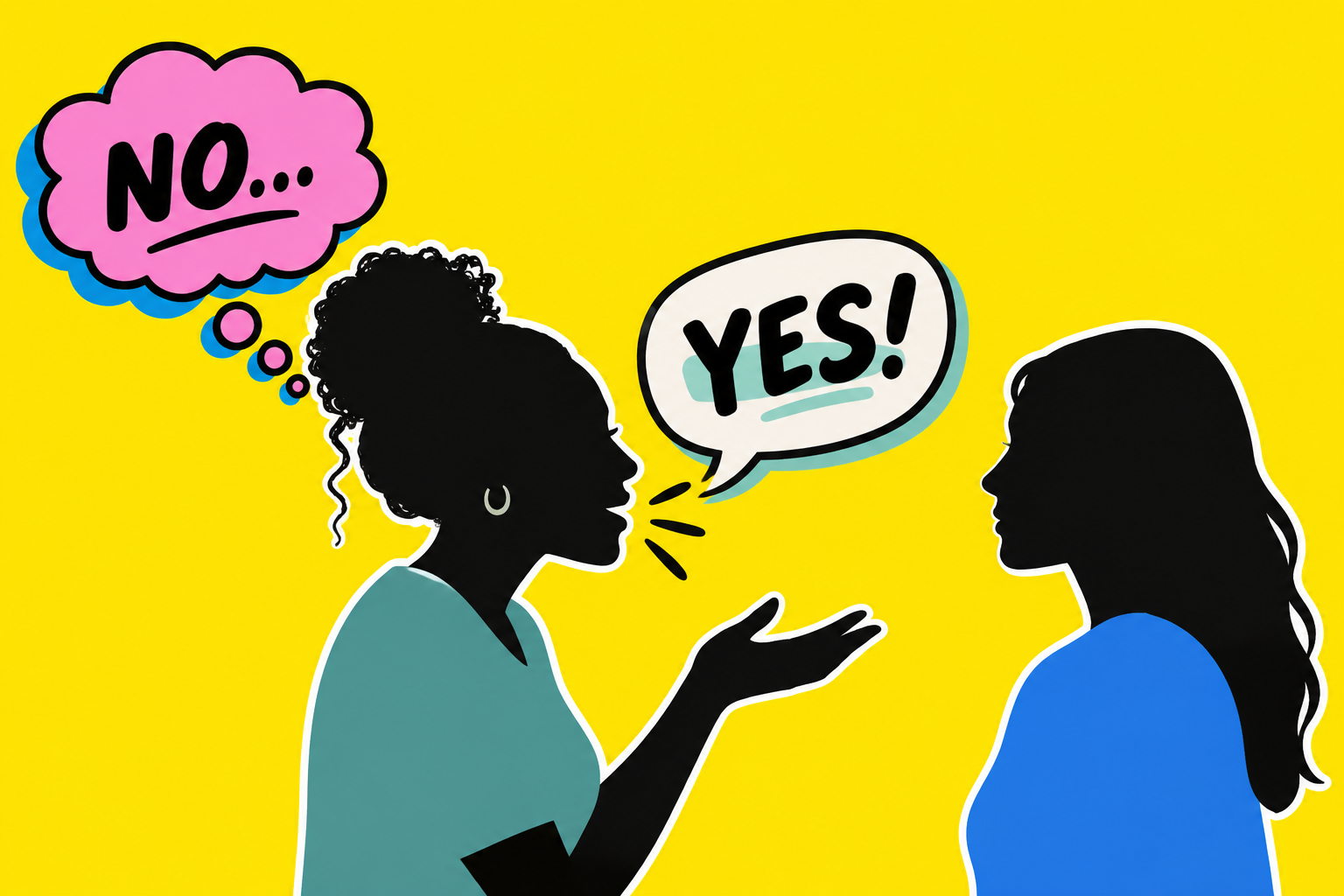
Many individuals in abusive relationships may question:
- “Is this really abuse?”
- “Maybe I’m overreacting.”
- “It’s not always like this.”
These thoughts are common, and often part of the cycle that keeps people stuck.
Understanding the Cycle of Abuse
Domestic violence often follows a predictable pattern known as the cycle of abuse.
Recognizing this cycle can help individuals better understand what they are experiencing.
1. Tension Building
During this phase:
- Communication becomes strained
- Small conflicts escalate quickly
- There is a sense of walking on eggshells
- Anxiety increases
The person experiencing harm may try to keep the peace, avoid conflict, or “manage” the other person’s emotions.
2. Incident
This is when the abuse occurs.
It may include:
- Physical harm
- Verbal attacks
- Emotional manipulation
- Threats
This phase can be brief but deeply impactful.
3. Reconciliation
After the incident, the person who caused harm may:
- Apologize
- Minimize the behavior
- Shift blame
- Promise change
- Show affection or remorse
This phase can create confusion and hope that things will improve.
4. Calm
For a period of time, the relationship may feel stable.
There may be:
- Fewer conflicts
- Increased kindness
- A sense of normalcy
However, without intervention, the cycle often repeats.
Why It Can Be Difficult to Leave
Leaving an abusive relationship is not simple.
Many factors can make it difficult, including:
- Emotional attachment
- Fear of escalation
- Financial dependence
- Concern for children
- Isolation from support systems
- Hope that things will change
Understanding these factors is important.
Judgment does not help, support does.
A Clear Boundary: Violence Is Not a Relationship Issue to “Work Through”
It is important to be direct:
‼️ Domestic violence is not a couples issue.
‼️ It is a safety issue.
Because of this, Therapy Terrace does not provide couples counseling in active domestic violence situations.
Couples counseling requires:
- Emotional safety
- Mutual respect
- Willingness to take responsibility
When violence is present, these conditions do not exist.
Our Approach: Safety First, Always
At Therapy Terrace:
- We do not tolerate violence in relationships
- We do not engage in couples counseling when abuse is active
- We prioritize safety above all else
If someone is experiencing domestic violence, the first step is:
👉 Creating distance from harm
👉 Establishing safety and support
This may include:
- Reaching out to trusted individuals
- Connecting with local resources or hotlines
- Developing a safety plan
- Seeking individual support
The Role of Counseling After Safety
Once a person is safe, counseling can be incredibly helpful in processing the experience.
Individual therapy can support:
- Healing from emotional trauma
- Rebuilding self-worth
- Understanding relationship patterns
- Restoring a sense of safety and control
For relationships that are not abusive but struggling, relationship counseling can help couples:
- Improve communication
- Set healthy boundaries
- Address conflict in safe ways
- Strengthen emotional connection
But again safety must come first.
Signs You May Be in an Unsafe Relationship
It may be helpful to reflect on whether a relationship feels safe.
Warning signs can include:
- Fear of your partner’s reactions
- Feeling controlled or monitored
- Being blamed for your partner’s behavior
- Walking on eggshells
- Experiencing threats or intimidation
- Physical harm or aggression
If any of these are present, it is important to take them seriously.
You Are Not Alone
If this topic feels close to home, it is important to know:
- You are not alone
- Your experience is valid
- Support is available
There are people and resources ready to help.
If you are in immediate danger, contacting local emergency services is critical.
Finding Support in Difficult Seasons
Heavy seasons can bring multiple layers of stress such as grief, loss, and relationship challenges.
Support during these times matters.
At Therapy Terrace, we provide relationship counseling in Florida for individuals and couples seeking healthier, safer connections.
We support clients in:
- Strengthening communication
- Setting boundaries
- Processing emotional experiences
- Navigating difficult relationship dynamics
Our work is grounded in safety, respect, and care.
Our other services include teen counseling and walk & talk therapy.
Moving Toward Safety and Healing
No relationship should cost someone their sense of safety.
No one should feel afraid in a place that is meant to provide connection.
Healing begins with:
- Recognizing what is happening
- Prioritizing safety
- Seeking support
- Taking one step at a time
Relationship Counseling at Therapy Terrace
Therapy Terrace offers virtual counseling in Florida for individuals and couples seeking to build healthy, respectful relationships.
We are here to support:
- Relationship growth
- Emotional healing
- Boundary development
- Healthier communication
If you are navigating relationship challenges, or need individual support, help is available.
Therapy Terrace is a virtual Christian counseling practice serving clients throughout Florida, including Miami, Orlando, Tampa, Jacksonville, Fort Lauderdale, St. Petersburg, Tallahassee, West Palm Beach, Naples, Sarasota, and surrounding communities.